If your skin stays dry, tight, or uncomfortable regardless of how much moisturiser you apply, the product is not the problem. The skin barrier is. A healthy skin barrier holds moisture inside the skin using a lipid layer composed of fatty acids, ceramides, and skin-identical oils. When that layer is depleted, moisture escapes faster than any topical product can replace it from the outside. Applying more moisturiser to a compromised barrier is like refilling a bucket with a hole — the issue is structural, not a matter of quantity.
This is one of the most common undiagnosed skin conditions in Malaysia, and one of the most consistently misaddressed. The standard response is to apply more, or richer, moisturiser. The standard result is temporary relief followed by the same dryness, tightness, or reactivity returning within hours.
Moisturisers and your skin barrier are doing different jobs
Moisturisers work by adding water or water-attracting ingredients to the surface of the skin. Humectant moisturisers draw moisture from the environment. Occlusive moisturisers slow water loss by forming a film. Both provide surface comfort. Neither repairs the lipid structure of the skin barrier — because that structure is made of specific fatty acids and lipids that need to be delivered at the structural level, not applied on top.
This distinction determines what the right product actually is. For skin that is intermittently dry or mildly dehydrated, a good moisturiser is sufficient. For skin where the barrier itself is compromised, surface products provide temporary relief at best. The skin does not improve over time. This is the sign that what the skin needs is structural repair, not a more expensive moisturiser.
What a compromised skin barrier actually looks like
The skin barrier — the stratum corneum — is held together by a lipid matrix containing ceramides, linoleic acid, and cholesterol. When these are depleted by over-cleansing, harsh actives, illness, extended stress, or environmental damage, the barrier loses its ability to retain moisture. The symptoms are not always dramatic: skin that feels tight after cleansing, flakiness that returns even after moisturising, redness or sensitivity that was not there before, products that were previously tolerated now causing stinging.
Skin in this state is not simply 'dry' in the genetic sense. It is structurally damaged. The difference matters because genetic dry skin and barrier-damaged skin need different approaches — and using the wrong one slows recovery.
Why oil-based serums work when moisturisers do not
Oil-based serums and botanical oils deliver fatty acids — the same building blocks the skin barrier is made of — directly into the lipid layer. Over time, consistent application of barrier-compatible oils helps the lipid matrix rebuild. Linoleic acid is the most important fatty acid in this process: it is the primary component of skin sebum, and when linoleic levels are depleted, the barrier substitutes a less effective lipid that cannot hold moisture properly.
Botanical oils with high linoleic acid content — rosehip, safflower, jojoba — replenish this deficiency. They do not sit on the surface; they become part of the barrier structure. This is why some people with chronically dry skin find that switching from water-based moisturisers to oil-based serums produces results that years of moisturising never achieved.
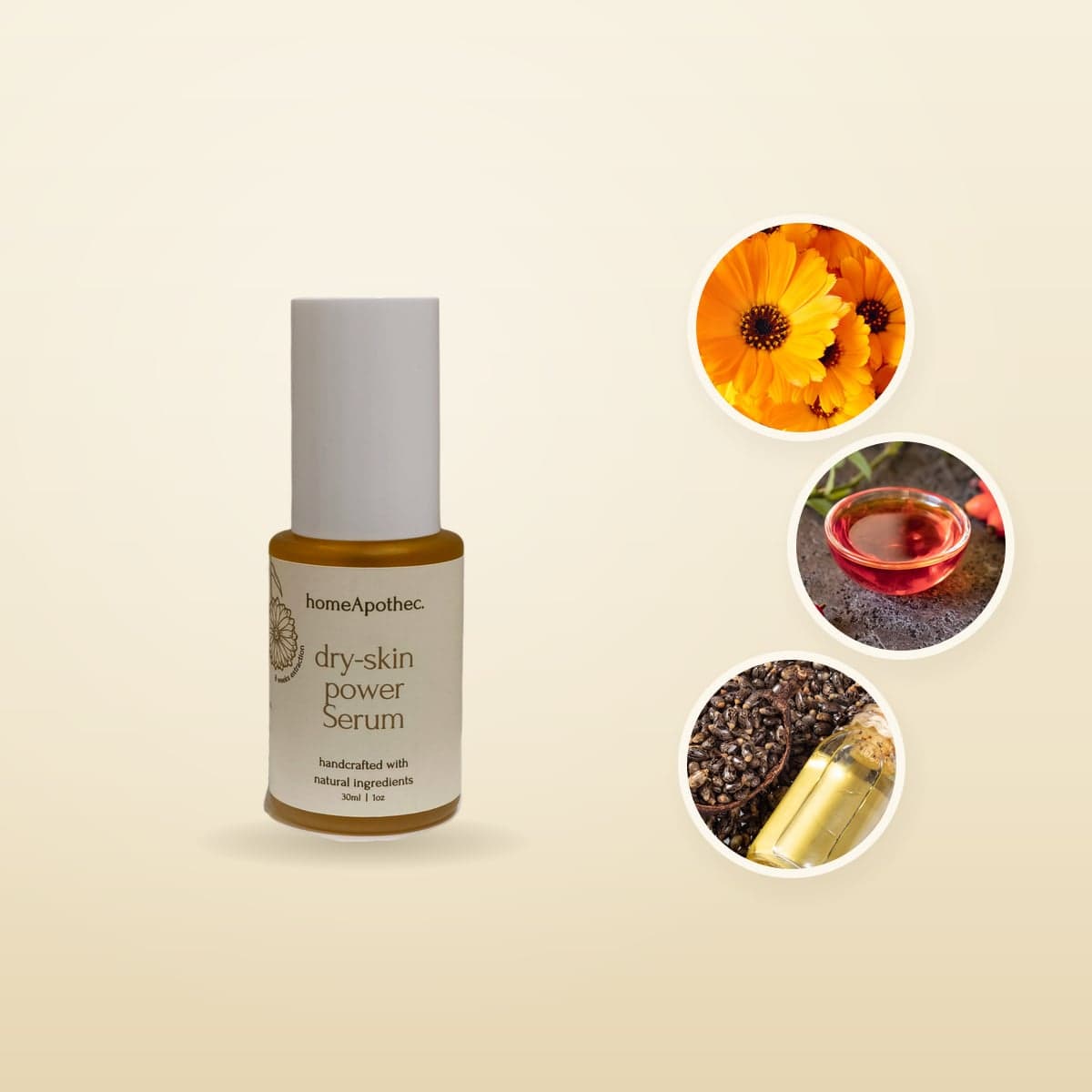
Dry Skin Power Serum
The homeApothec Dry Skin Power Serum uses an 8-week cold maceration botanical infusion to deliver barrier-compatible oils — including jojoba, rosehip, and calendula — into depleted skin.
View product →
What a barrier repair routine looks like in practice
A routine designed for barrier repair is simpler than most people expect. Remove everything harsh: alcohol-based toners, physical exfoliants, high-concentration actives like retinol or AHAs. Cleanse gently. Apply an oil-based barrier serum while the skin is still slightly damp — moisture-trapping products work better on damp skin. If particularly damaged areas need additional protection, an occlusive balm over the top seals the serum in.
Consistency matters more than quantity. Two drops of a barrier-appropriate serum applied every night for six weeks produces more change than occasional application of multiple products. The barrier rebuilds slowly — patience and reduced inputs are what allow it to do so.
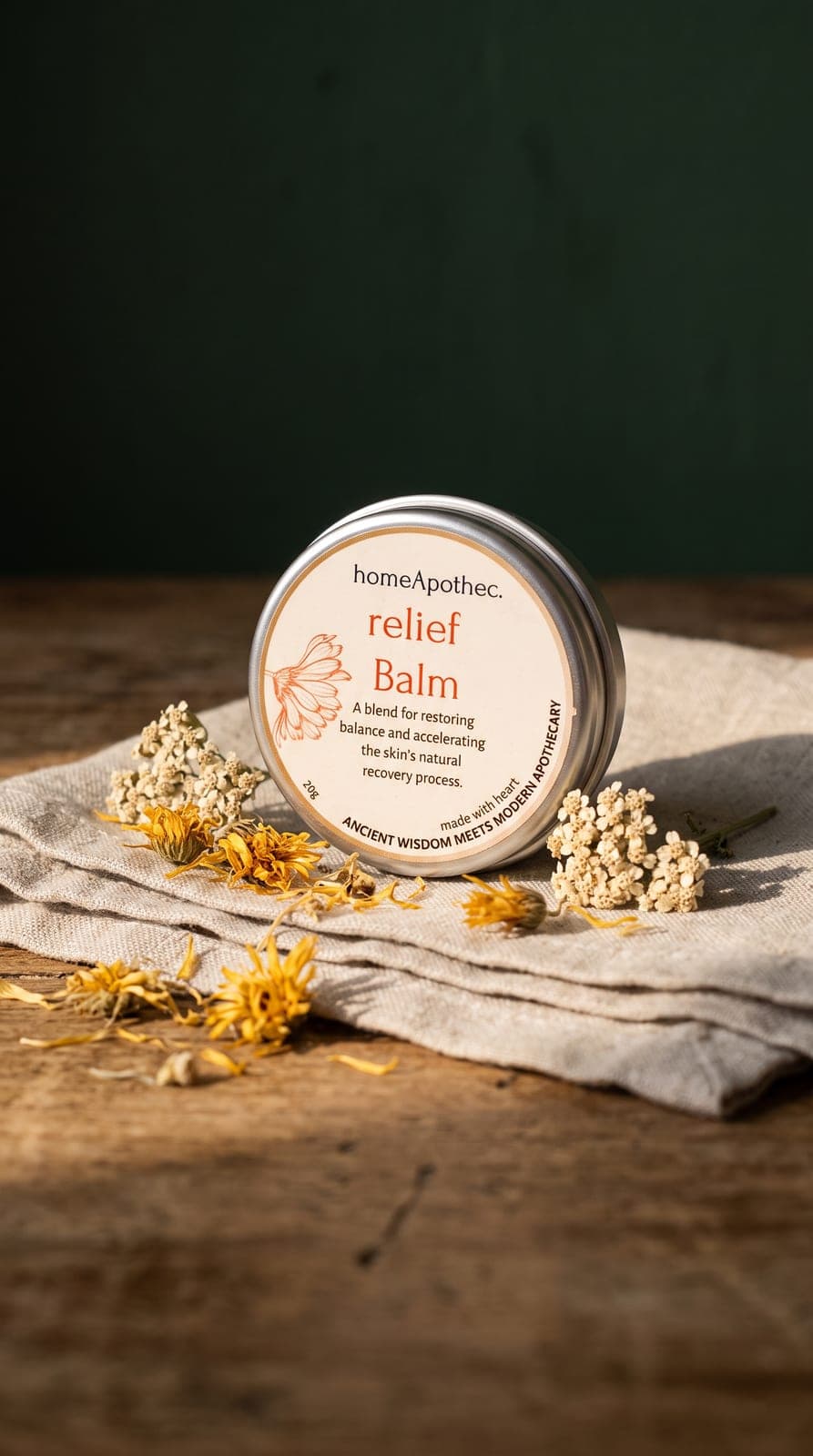
Relief Balm
The homeApothec Relief Balm provides occlusive protection for the most compromised areas — eczema patches, cracked skin, reactive zones — while a barrier serum does structural repair underneath.
View product →
Common questions
Questions answered
Still not sure what your skin needs?
Ask Tracy on WhatsApp →