The process
Eight weeks in the making.
Most botanical extracts are processed in hours using heat and pressure. homeApothec formulas are slow cold-infused for 8 weeks. The difference is in what survives the process.
The problem
Still tight after three layers of moisturiser?
Most moisturisers are mostly water. They sit on top of the skin, hydrate briefly, then evaporate — often taking some of your own moisture with them. That's why the tightness comes back within hours, no matter how much you apply.
The barrier is the lipid layer that locks water in. Stress, aircon, over-cleansing, and years of harsh product deplete it — so water escapes hour after hour and no cream on top fixes it. Rebuild the layer, and skin holds its own moisture again.
The infusion timeline
Weeks 1–2
Selection & preparation
Botanicals are sourced and inspected. Dried herbs and plant materials are weighed and placed into carrier oils chosen for their affinity with each skin type. The infusion begins.
Weeks 2–5
Slow infusion
The mixture rests in a cool, dark environment. No heat is applied — heat damages delicate plant compounds. The oils slowly draw out the active constituents from the plant material over weeks, not hours.
Weeks 5–7
Monitoring & adjustment
Tracy checks each batch. Colour, scent, and texture indicate how the infusion is progressing. Some botanicals take longer. The batch isn't moved forward until it's ready.
Week 8
Straining & bottling
The infused oil is pressed through fine cloth to remove all plant material. What remains is a clear, concentrated botanical oil — no water added, no fillers. Bottled by hand in small batches.
From plant to bottle
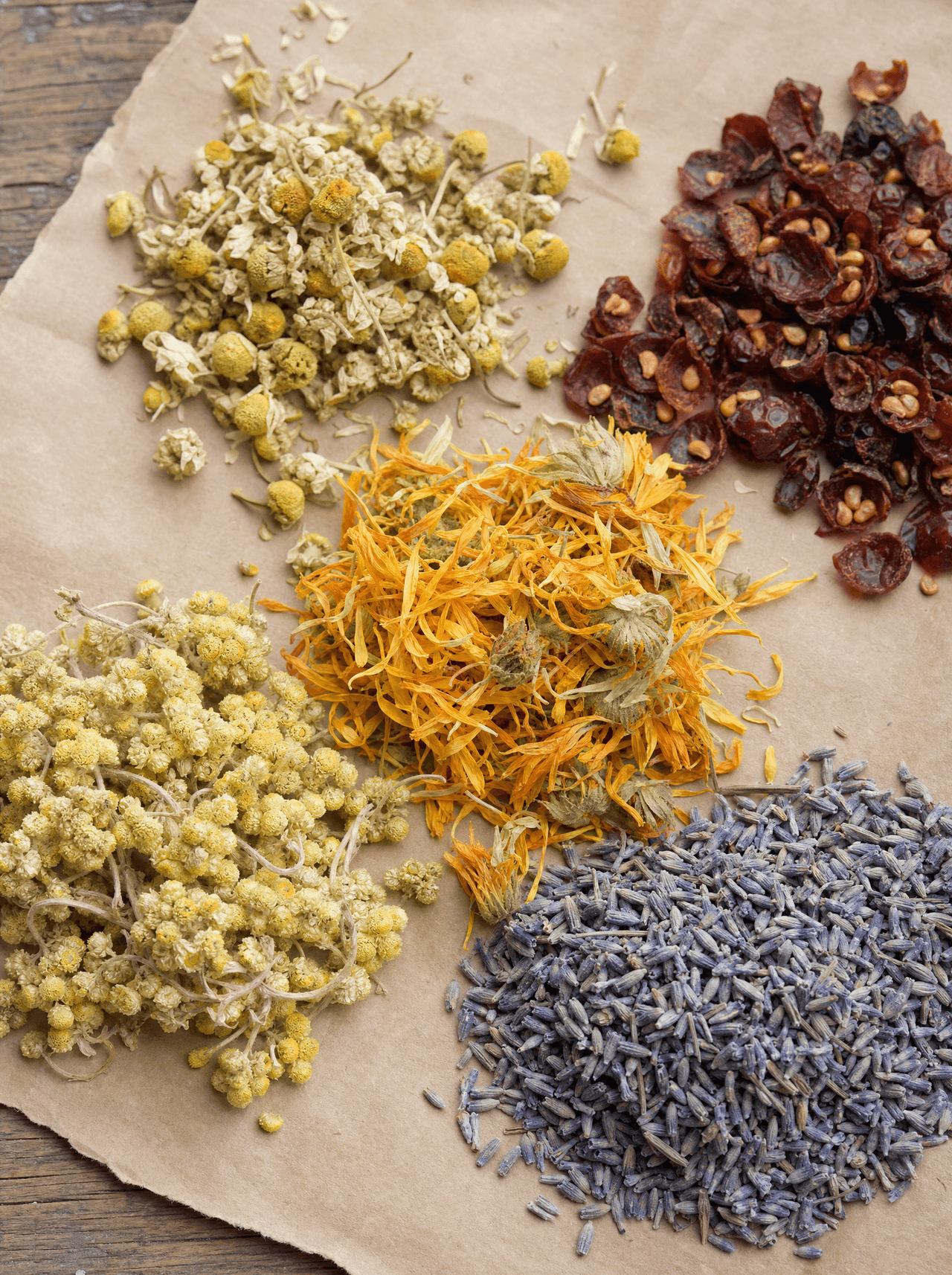
Raw botanicals
Selected, weighed, and prepared for infusion
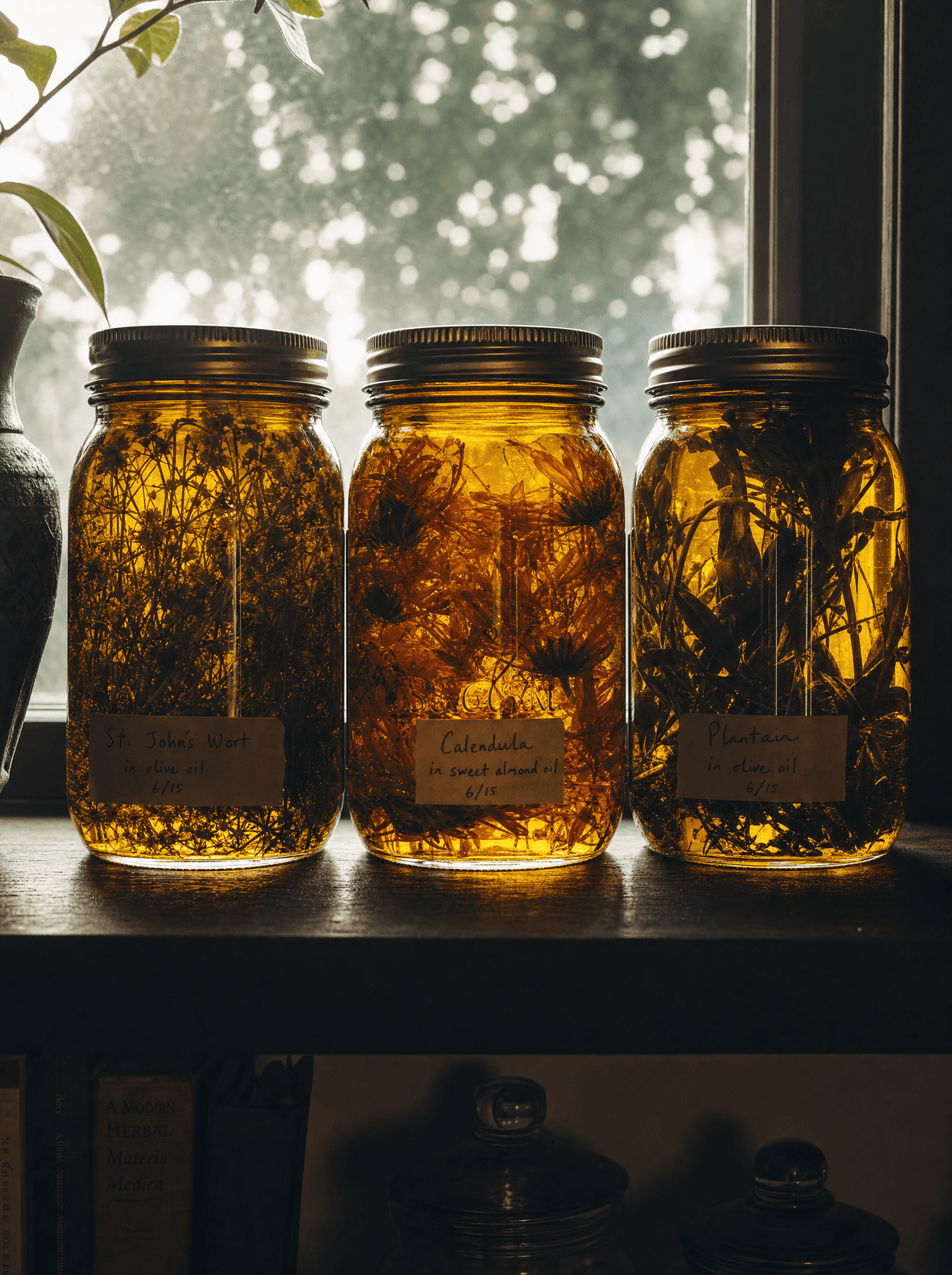
Weeks of infusion
No heat. No pressure. Just time.
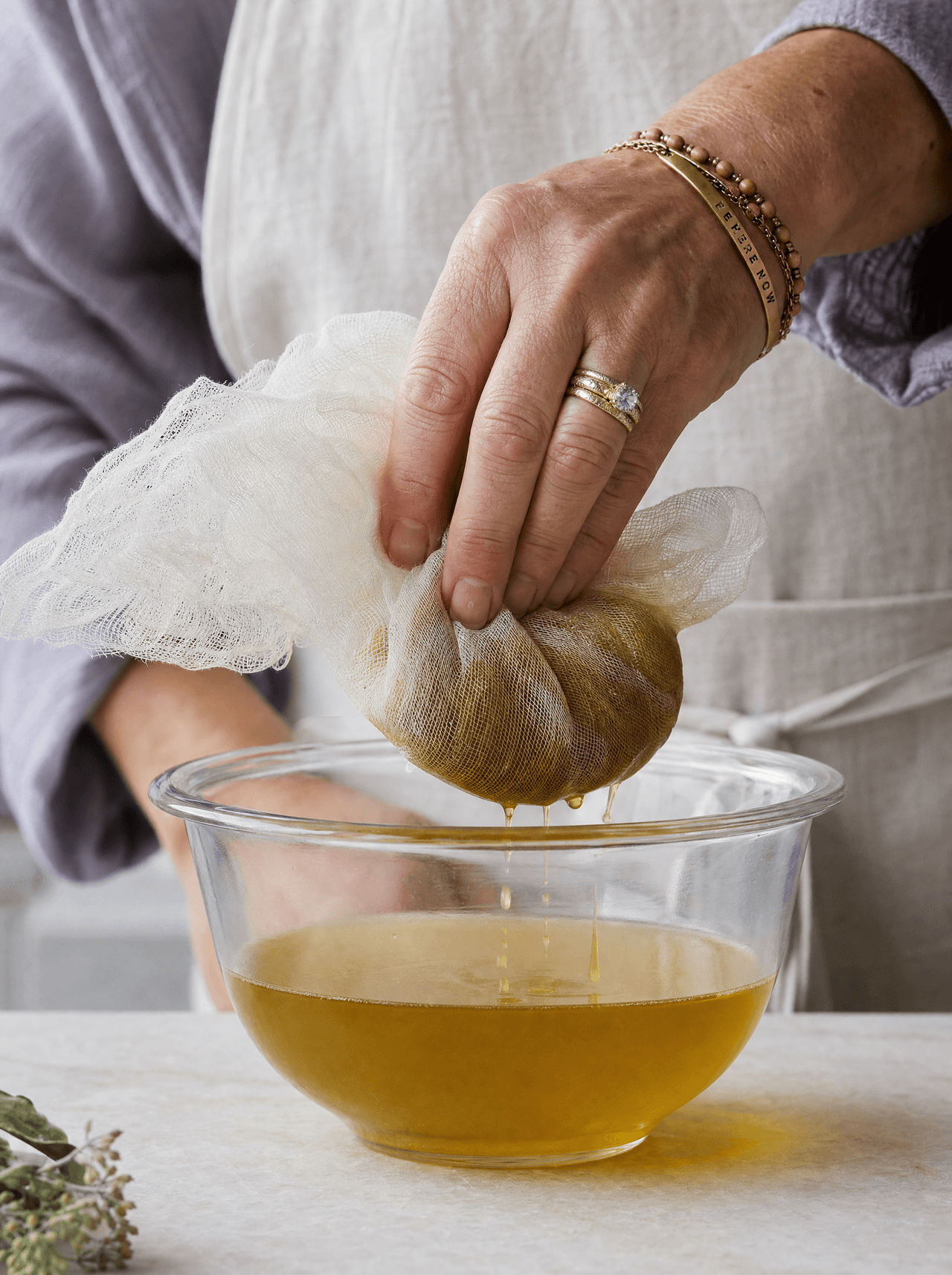
8 weeks.
That's how long each batch infuses before it's strained and bottled. It's also roughly how long consistent use takes to visibly change a compromised skin barrier.
The barrier
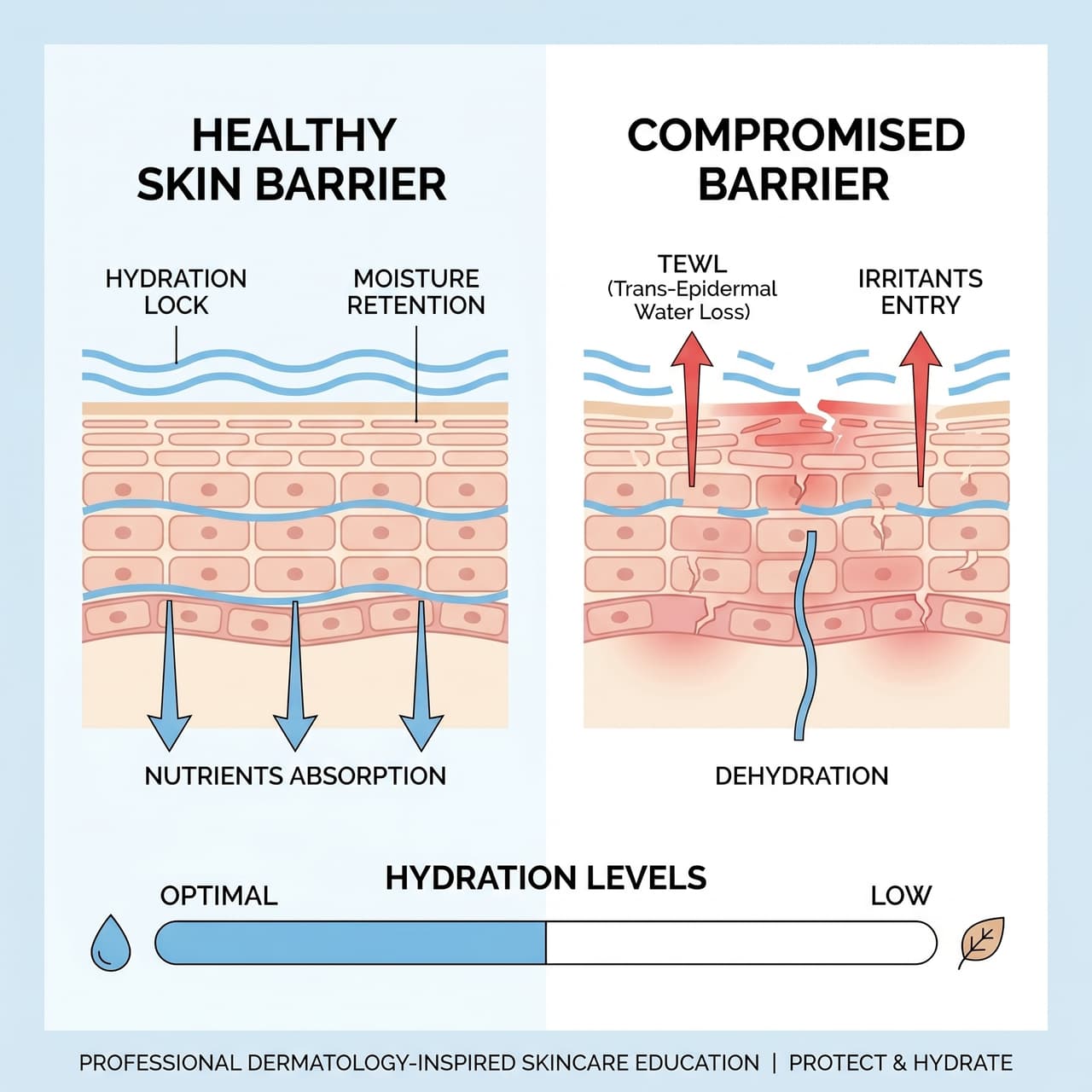
Healthy vs. compromised skin
A healthy skin barrier is a tightly packed lipid matrix that locks moisture in and keeps irritants out. A compromised barrier has gaps — moisture escapes, irritants get in, inflammation follows.
homeApothec formulas work by replenishing those lipids — not by adding water on top of a broken barrier, but by rebuilding the barrier itself. Slow-infused calendula calms what's inflamed, and niacinamide helps the barrier hold onto the water it already has.
The layering logic
Water first. Oil second. The order matters.
A humectant like hyaluronic acid draws water into the skin, but it doesn't seal it there. Applied on its own in dry air — aircon, travel, low humidity — it can even pull moisture from deeper layers instead, leaving skin drier than before.
That's why the water step always comes first, sealed immediately by an oil layer dense enough to hold it in place. Squalane and other barrier-compatible oils anchor that seal — skin-identical enough that pores never mistake them for something foreign.
The philosophy
Why we formulate this way
Why no water?
Why botanical oils?
Why slow infusion?
Why steroid-free?
What to expect
Results take time. That's not a warning — it's the point.
Skin barrier repair doesn't happen in three days. The outermost layer of the skin — the stratum corneum — takes about 28 days to fully regenerate. For compromised skin, it often takes longer.
Most customers notice a change in texture and sensitivity within 2–3 weeks. Full results — the kind that hold through weather changes, stress, and hormonal shifts — take 6–8 weeks of consistent use.
This is also why homeApothec formulas don't use actives that force fast visible change (retinols, AHAs, strong vitamin C). Those work by creating controlled damage that the skin repairs — they don't build the barrier; they stress it. homeApothec formulas work with the skin's own repair cycle, not against it.
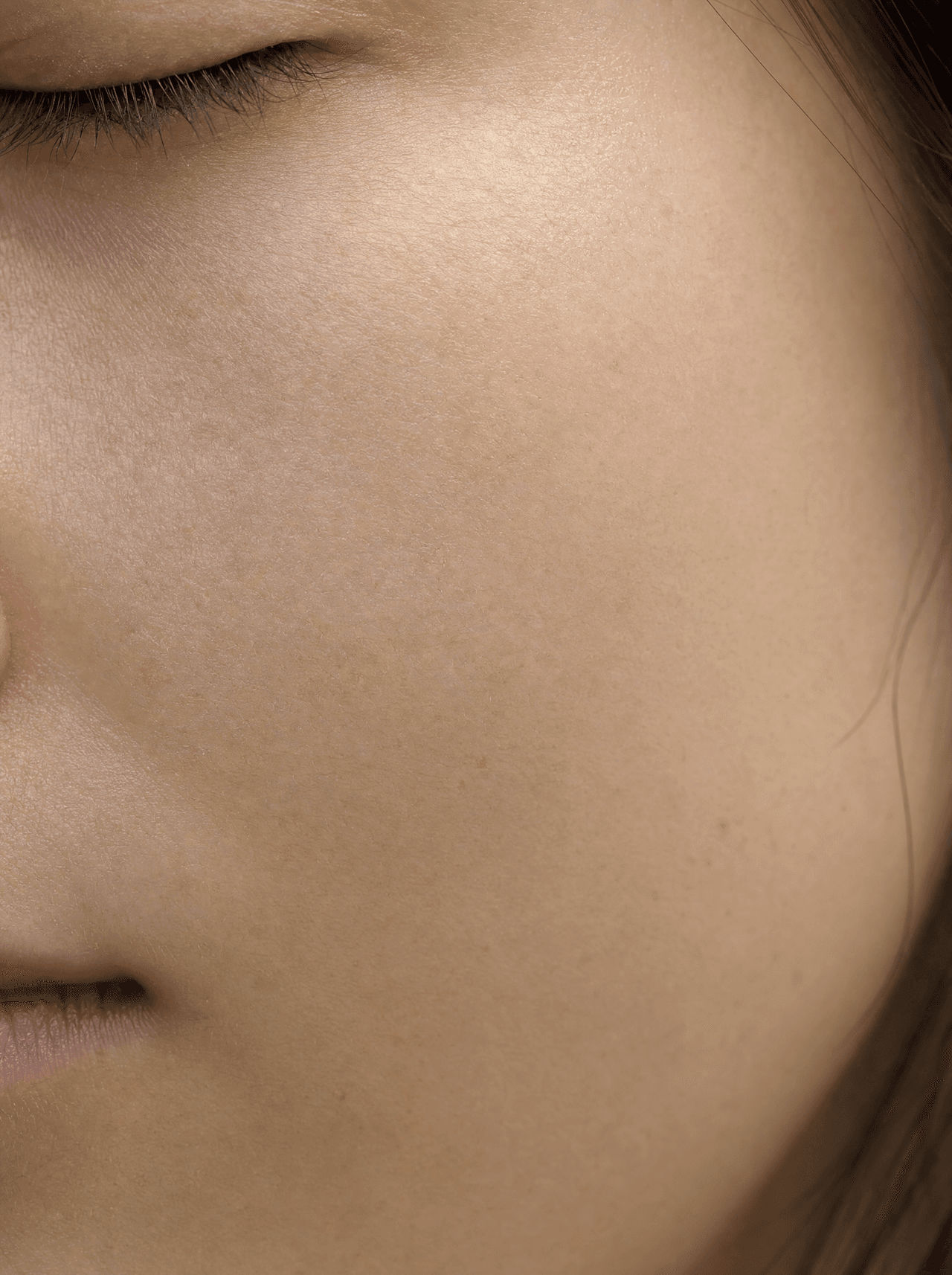
Ready to start the protocol?
Not sure which product to start with? Tell Tracy about your skin — she'll point you in the right direction.