Over-washing oily skin won't keep it less oily for long. Washing clears surface oil for an hour or two, but how much oil your skin makes depends largely on hormones, genetics, age and climate. Washing until your face squeaks usually means too much surface oil has been washed away, and over-stripped skin can feel tight. Some people find it gets even oilier; over-stripped skin may make more oil, though the evidence is still limited.
The confusion about over-washing comes from seeing shine as dirt. As homeApothec co-founder Michael puts it, "We have always been taught to dry out our oily skin." Yet breakouts are rarely a sign of poor washing, and blackheads look dark mainly because trapped oil and skin pigment darken in the air, not because of grime.
What a squeaky-clean feeling actually means
A squeaky-clean feeling is not a measure of how clean skin is. The squeak usually means a cleanser has removed too much of the surface oil, sometimes with some protective lipids too. Strong cleansers, rough rubbing and hot water make this more likely. Clean skin should feel soft and comfortable, not stripped. If your face squeaks, stings or feels tight minutes after washing, your cleanser may be stronger than your skin needs.
Why oily skin can feel tight after washing
Oily skin can still feel tight after washing, because oil (sebum) and water (hydration) are different things. Harsh cleansing can disturb the lipids that help skin hold water, and some cleansers leave the outer layer feeling stiff as it dries. Air-conditioning can make this more noticeable. Tightness alone does not prove damage, but it may mean a cleanser is too strong for you.
Why your skin can seem oilier after washing
Skin can seem oilier after over-washing because it keeps making oil all day, so shine returns within an hour or two however hard you wash. The American Academy of Dermatology notes that a too-harsh face wash can irritate skin and may trigger more oil, and dehydrated oily skin may make more oil too, though research on both is limited. Either way, stripping harder brings little benefit.
Shiny-by-noon skin in Kuala Lumpur can look oily yet still feel tight or dehydrated, a pattern explained in oily and dehydrated skin in Malaysian humidity.
Toner Serum Hybrid
The homeApothec Toner Serum Hybrid is a light water-based layer with chamomile and witch hazel flower waters, panthenol and aloe — no added alcohol, no added fragrance.
View product →
How many times a day to wash oily skin
Twice a day, morning and night, with a gentle cleanser and lukewarm water, is usually enough for oily skin, and there is little evidence that washing more often helps. Malaysia's heat and humidity can make skin look shinier, which is a reason to choose lighter products rather than wash harder. Blotting paper, pressed on rather than rubbed, can lift midday shine.
homeApothec does not make a cleanser, so here is what to look for. A good choice usually calls itself gentle or mild, has no added fragrance or drying alcohol, and uses a non-soap base closer to skin's naturally slightly acidic surface. How much it foams matters less than how your skin feels afterwards: comfortable, not tight. Use your fingertips, not scrubs or brushes.
A gentle-cleanse checklist for oily skin:
- Twice a day is usually enough. After sweating, rinse with plain lukewarm water, or use a gentle cleanse after heavy sweating.
- Lukewarm water, not hot.
- Skip the squeaky-clean feeling.
- Once or twice a week, a night off strong actives, unless the product's directions say otherwise. Don't stack several at once (retinoids, exfoliating acids, benzoyl peroxide). If you are on a prescribed treatment, follow your doctor.
Used more often than directed, at high strength or layered together, strong actives can leave skin red, dry and stinging. On rest nights, a gentle cleanse, a water-based layer and a little light oil are usually enough. Results vary from person to person.
What oily skin needs after washing
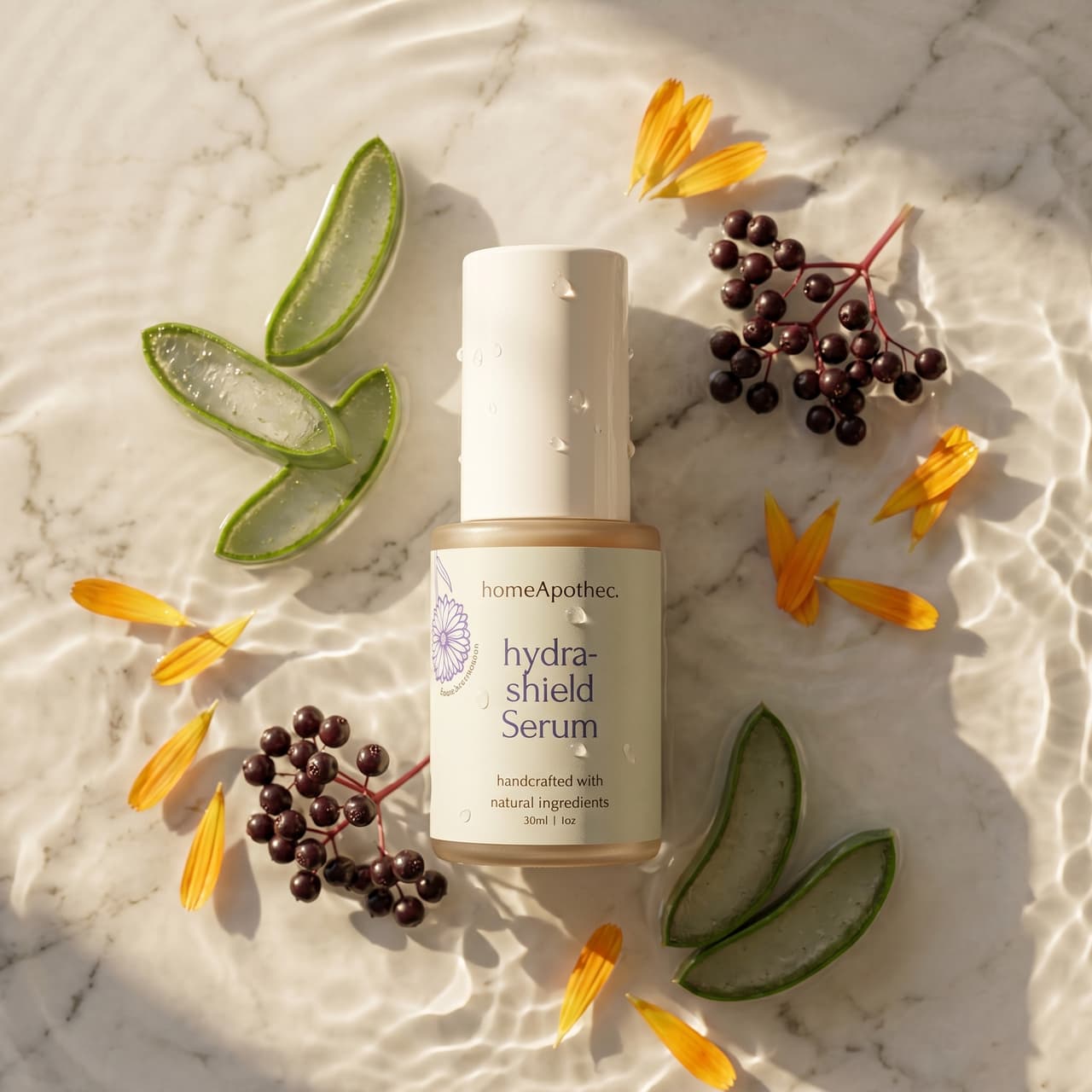
Even oily skin needs a light moisturising step after washing. Start with the water layer on slightly damp skin, such as the Toner Serum Hybrid, or the HydraShield Serum on especially tight days.
If you want a little oil, press a few drops of the Oily Skin Power Serum onto areas that need it. The oil adds no water but may slow some water loss, while humectants such as panthenol and aloe in the water layer help hold water. The serum contains essential oils, so patch test it first; if you are breakout-prone, start on a small area and stop if new clogged pores appear.
Water first, then a little light oil, is the order set out in the difference between dry skin and dehydrated skin. In humid weather, skip heavy creams, and finish with sunscreen in the morning. Give a gentler routine about four weeks to judge comfort, and six to eight weeks before judging breakouts. Results vary.
See a doctor or dermatologist if breakouts persist after two to three months of gentle care, if spots are deep, painful or leave scars or dark marks, or if redness, stinging or a rash does not settle. Stop any product that causes a rash, and get urgent care if your face or lips swell or you have trouble breathing. This article is general skincare education, not medical advice.
Oily Skin Power Serum
The homeApothec Oily Skin Power Serum is a lightweight face oil with calendula slow-infused in jojoba for 8 weeks, made to go on after your water step. It contains essential oils (palmarosa, lavender, geranium, eucalyptus), so patch test first.
View product →
Common questions
Questions answered
Still not sure what your skin needs?
Ask Tracy on WhatsApp →