Putting oil on oily skin sounds like the wrong direction. It's the most common question Tracy gets, and the hesitation is fair: if shine is the problem, why add more of what seems to cause it?
The answer starts with what most of us were taught. As homeApothec co-founder Michael puts it, "We have always been taught to dry out our oily skin." Drying it out removes shine for an hour or two, but skin keeps making oil all day, and it can be left tight as well as oily.
Why stripping oily skin tends to backfire
Oil and water are two different things in skin. Oil (sebum) is a lipid your skin produces; hydration is its water content. Skin can have plenty of one and too little of the other, which is why a face can be shiny by noon and still feel tight after washing.
Washing harder, or skipping every moisturising step, takes away surface oil. But skin keeps making oil all day, so the shine returns. Over-stripped skin can feel tight, and some people find it gets even oilier. What over-washing oily skin actually does covers this in more detail.
So the useful question is not how to remove more oil. It is how to keep oily skin comfortable and balanced without putting anything heavy on it.
What makes an oil suitable for oily skin
Not every oil suits oily skin. The ones that tend to work are light, absorb fully and resemble what skin already makes.
Jojoba is the clearest example. It isn't really an oil; it's a liquid wax almost identical to your skin's own sebum. So it absorbs without heaviness, and it signals to oily skin that it doesn't need to overproduce.
Squalane is a lipid your skin already makes, and makes less of with age and stress. Replacing it lightly helps seal moisture in without clogging. Safflower is a light, fast-absorbing seed oil that helps keep the blend light.
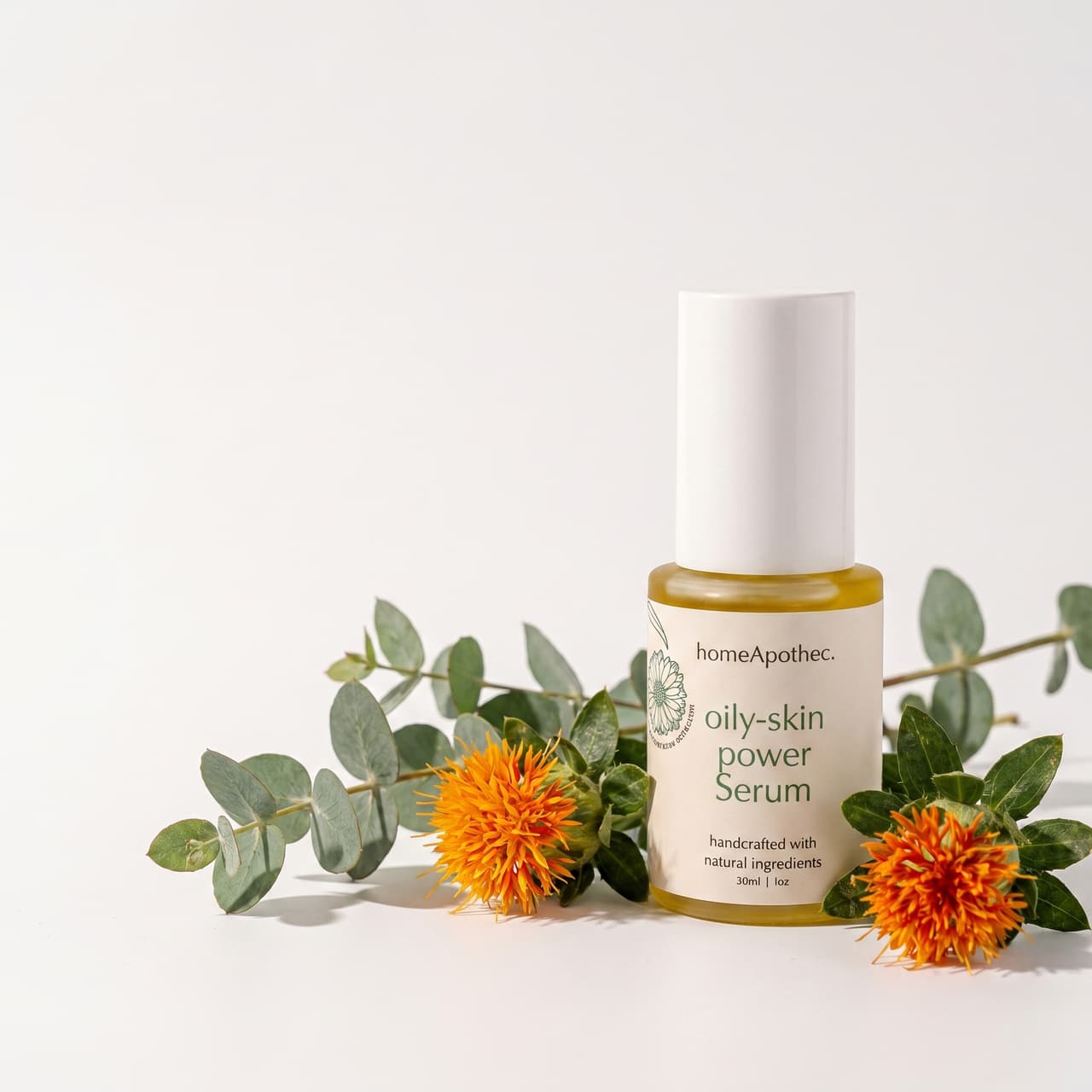
Oily Skin Power Serum
The Oily Skin Power Serum is a lightweight face oil for oily and combination skin: jojoba to balance, safflower and squalane to keep it light, and calendula slow-infused in the jojoba for 8 weeks.
View product →
Where an oil serum goes in your routine
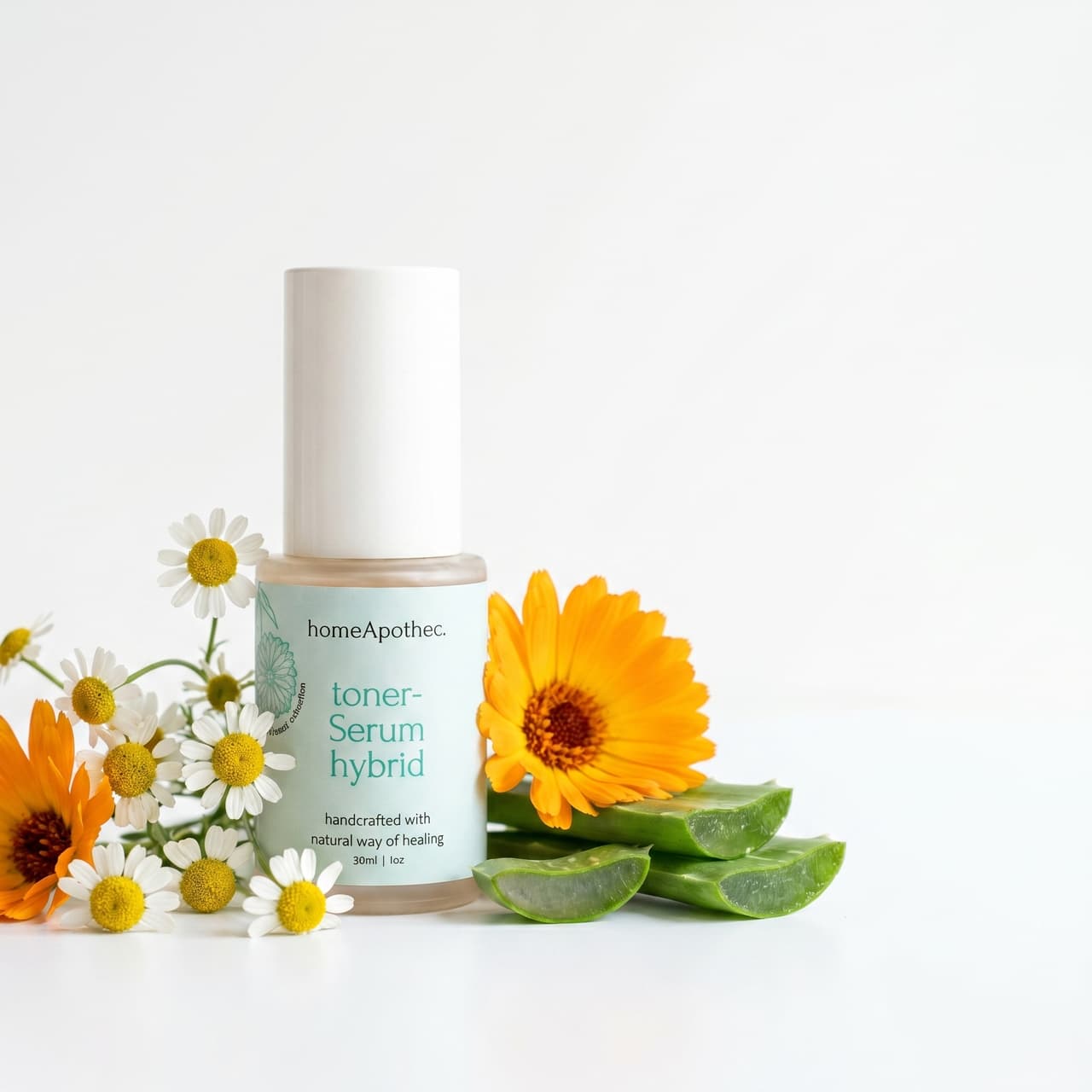
Water first, then oil. After cleansing, start with a light water-based layer on slightly damp skin, such as the Toner Serum Hybrid, and let it sink in.
Then press in two or three drops of oil rather than rubbing, and let it absorb fully before anything else goes on. Use it on the oilier zones, like your T-zone, and go lighter on drier areas. Morning or night both work.
In humid weather, skip heavy creams on top. Oily and dehydrated skin in Malaysian humidity explains why lighter layers suit this climate.
Toner Serum Hybrid
The Toner Serum Hybrid is the water step before your oil: a light toner and serum in one, with no added alcohol and no added fragrance.
View product →
What to expect, and when to stop
An oil serum won't leave skin flat-matte like a powder. Over a few weeks of steady use, skin can look less shiny by midday. Skin changes gradually, and results vary from person to person.
The Oily Skin Power Serum contains essential oils (palmarosa, lavender, geranium and eucalyptus), so patch test it first. If you are breakout-prone, start on a small area, and stop if new clogged pores appear or your skin reacts.
For persistent skin concerns, like recurring breakouts or redness, see a doctor or dermatologist. This article is general skincare education, not medical advice.
Common questions
Questions answered
Still not sure what your skin needs?
Ask Tracy on WhatsApp →