Your hydrating serum works perfectly at home. Then you land somewhere dry — a winter city, a long-haul flight, a hotel room running aircon all night — and the same serum leaves your skin tighter than before you applied it. This isn't a bad batch or bad skin. It's a mechanism most routines never account for.
Hyaluronic acid, the ingredient behind most hydrating serums, is a humectant: it draws water toward itself. In humid air, it pulls that water from the environment into your skin. In dry air, there's no environmental moisture to pull from — so it reaches for the next closest source, which is the water already inside your skin's deeper layers.
The counter-intuitive part: your serum can pull moisture the wrong way
A humectant doesn't create water, it just moves it toward the highest concentration of itself. When the air around you is dry — aircon, heating, altitude, winter — hyaluronic acid applied on its own has nowhere to pull moisture from except your own skin, drawing it up and out through the surface where it evaporates. The result: skin that feels more dehydrated after the serum than before.
This is why some people find their favourite hydrating serum works beautifully in Malaysia's humidity and then seems to betray them the moment they travel somewhere dry.
The fix isn't skipping hydration — it's sealing it
The rule flips in dry air: hydration still matters, but it needs to be sealed in immediately, not left exposed to evaporate. That means leading with the humectant step and following it, without delay, with an oil layer dense enough to hold that water in place.
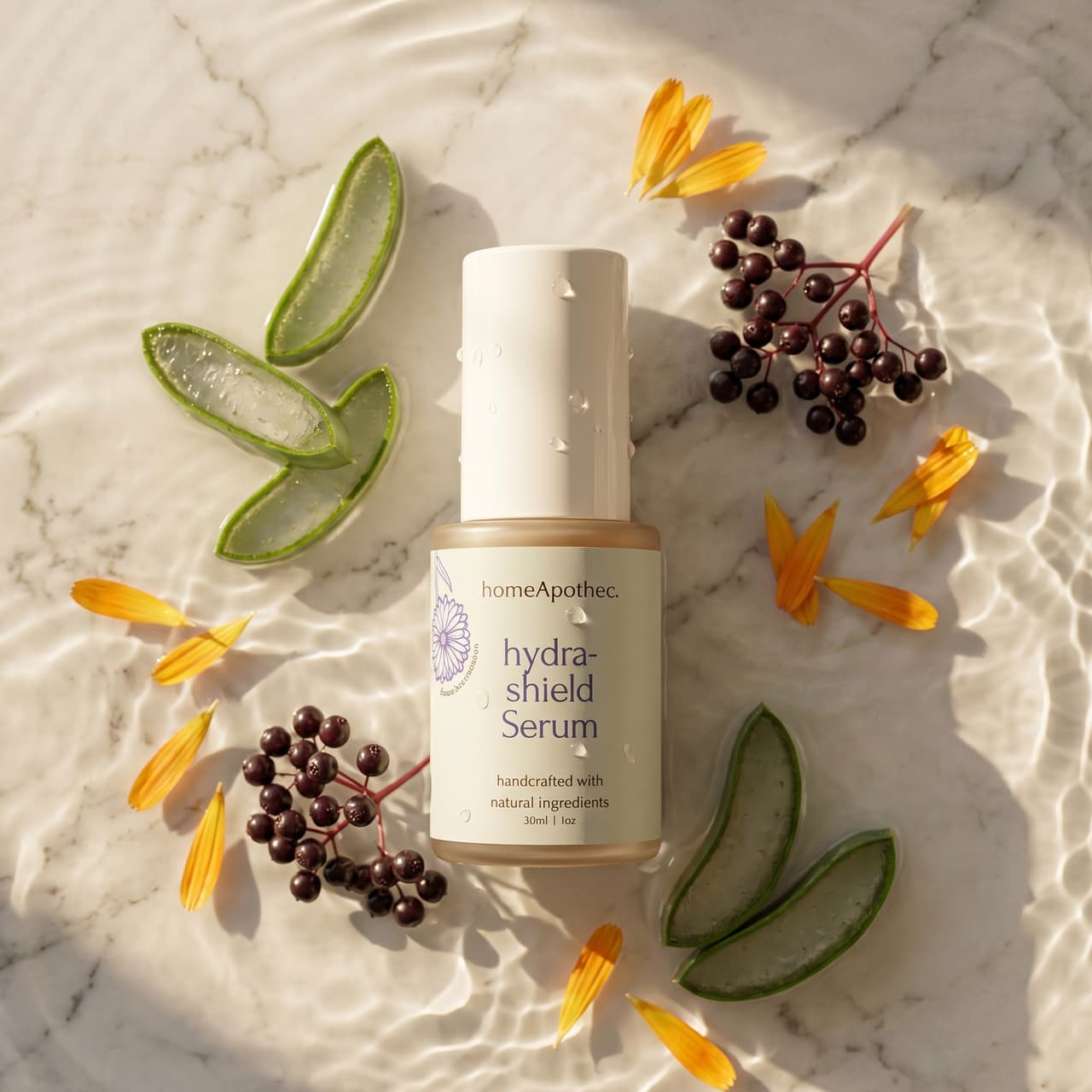
HydraShield Serum
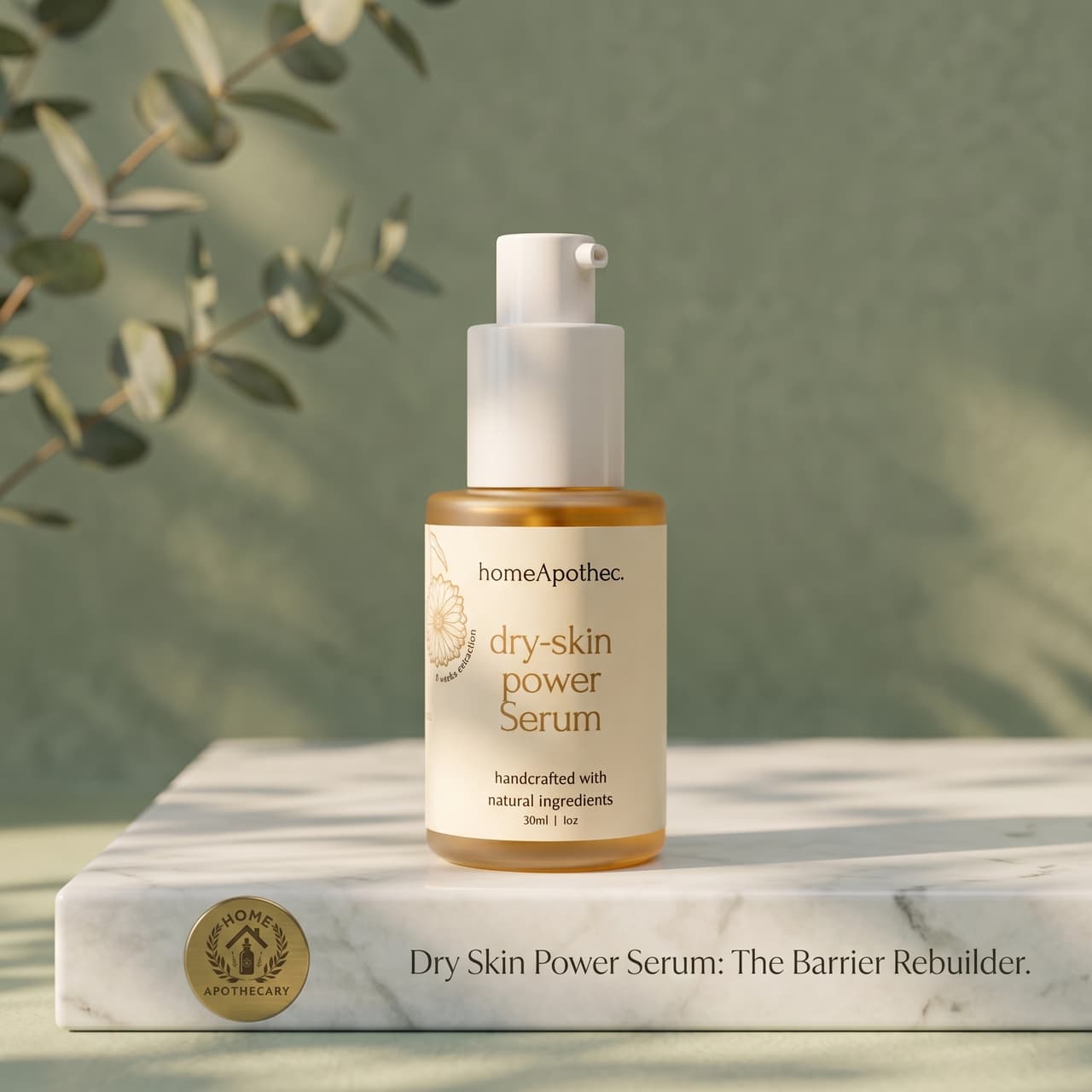
HydraShield draws water in with dual-weight hyaluronic acid; sealed immediately with the Dry Skin Power Serum, the water has nowhere to go but into your skin.
View product →
A simple routine adjustment for travel or dry season
Apply your water-based serum to slightly damp skin, then immediately follow with an oil-based serum or body oil — don't leave any gap for the humectant layer to sit exposed. For body skin, the same logic applies: an anhydrous oil that seals rather than a lotion that's mostly water and evaporates just as fast.
Squalane is a useful anchor here specifically because it's stable across climates — it doesn't behave differently in dry air the way a pure humectant does.
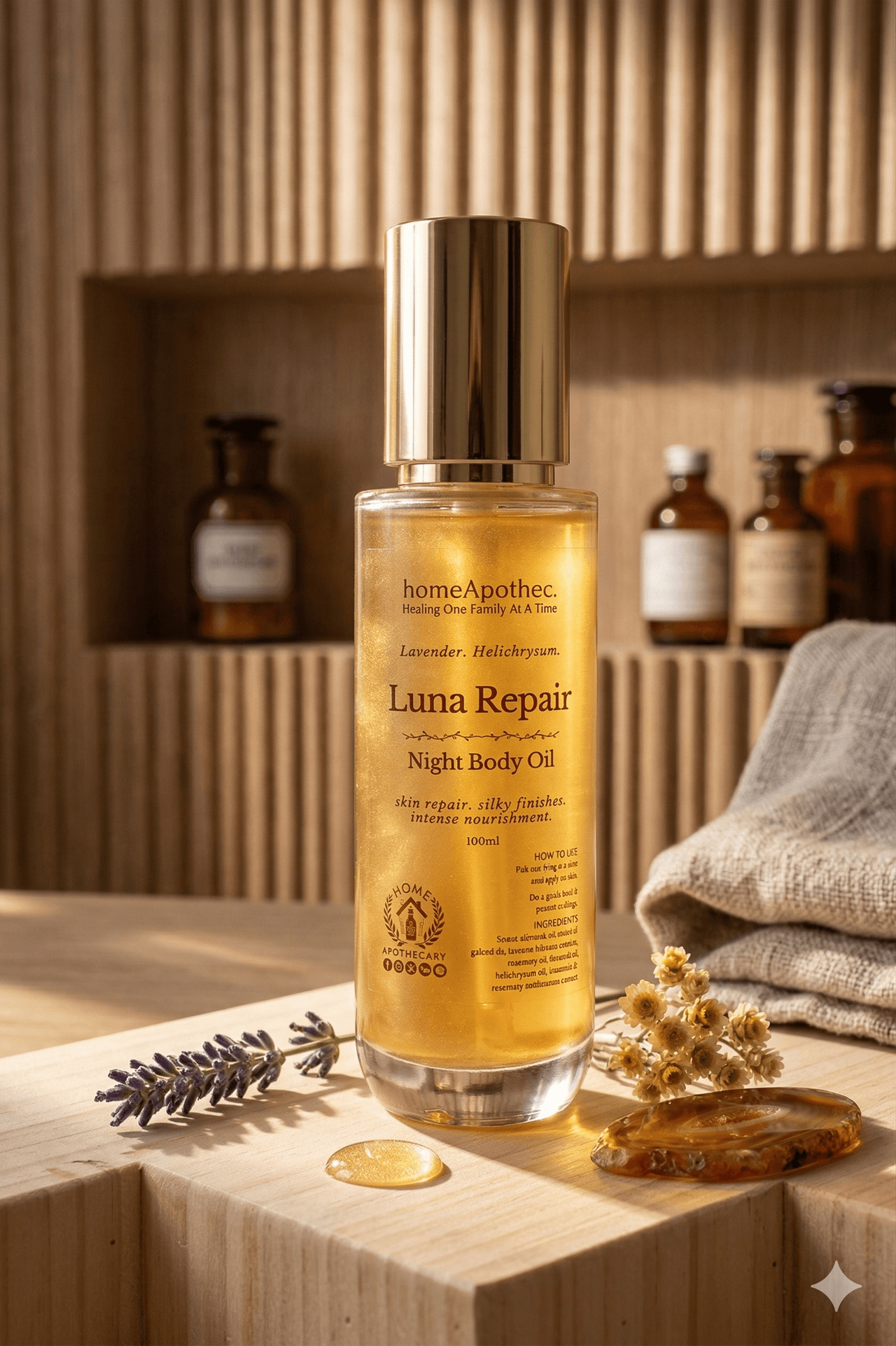
Luna Repair Night Body Oil
Luna Repair Night Body Oil is a water-free, sealing formula built for exactly this — no water to evaporate, nothing for dry air to compete for.
View product →
Common questions
Questions answered
Still not sure what your skin needs?
Ask Tracy on WhatsApp →